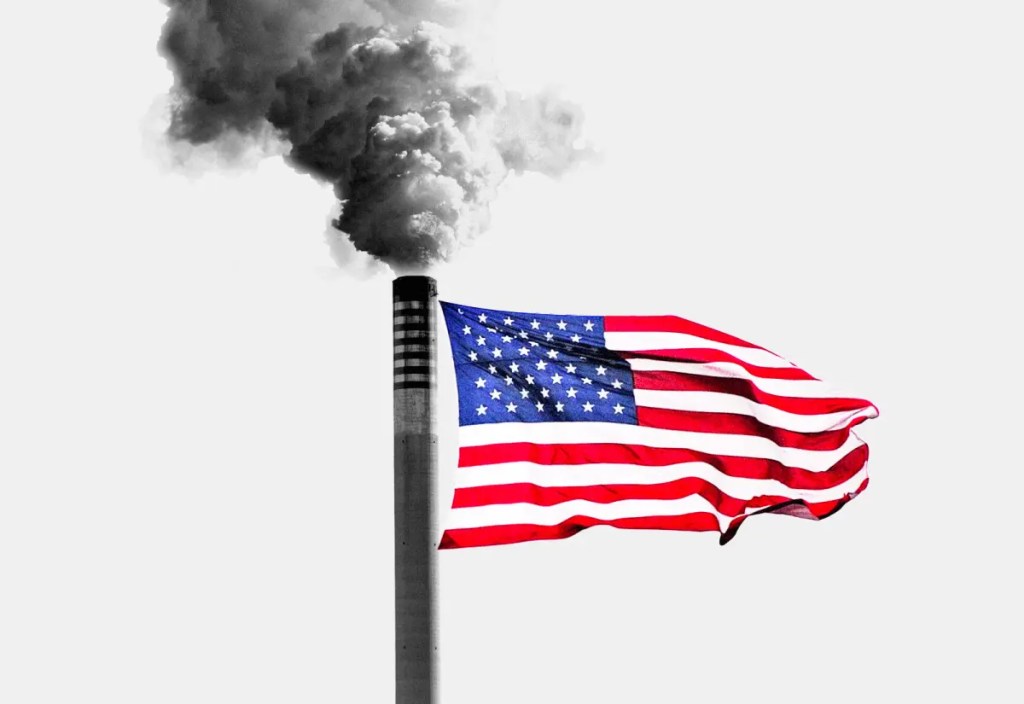
National climate policies set the tone for global emissions reductions, green investments, and international cooperation. Over the past five presidential policy cycles, the United States has experienced dramatic shifts in its approach to environmental protection, clean energy transitions, and global climate agreements. For students and young changemakers at Avoid 3, studying these political changes is crucial for understanding why we must act locally and globally to prevent a catastrophic 3°C warmer future.
Let’s examine how federal climate priorities have evolved across recent presidential administrations:
1. The George W. Bush Administration (2001–2009)
During this cycle, federal policy heavily favored market-driven approaches, voluntary industry guidelines, and economic flexibility over strict carbon caps. While domestic energy legislation encouraged efficiency and improved pollution monitoring, the administration famously rejected international treaties like the Kyoto Protocol, arguing that mandatory emission restrictions could harm the national economy and security.
2. The Barack Obama Administration (2009–2017)
President Obama made climate change a core domestic and international priority. Despite facing major legislative roadblocks in Congress that prevented passing comprehensive climate bills, his administration utilized executive authority to implement strict vehicle emission standards, launch clean transportation initiatives, and play a pivotal diplomatic role in negotiating the historic 2015 Paris Agreement to curb global temperature rises.
3. The First Trump Administration (2017–2021)
This cycle brought a sharp policy pivot toward deregulation and traditional fossil fuel expansion. The administration rolled back numerous environmental protections, championed domestic oil and gas production, and formally withdrew the United States from the Paris Agreement, prioritizing short-term industrial growth and energy independence over long-term carbon reduction targets.
4. The Biden Administration (2021–2025)
Reversing previous decisions, the Biden administration re-entered the Paris Climate Agreement immediately and introduced sweeping federal investments. Through major legislative milestones like the Inflation Reduction Act and infrastructure packages, historic funding was funneled into renewable energy development, electric grid modernization, and green manufacturing to slash emissions.
5. Recent Policy Shifts and the Power of Youth Advocacy
As new administration cycles unfold, federal priorities continue to oscillate between aggressive clean energy transitions and fossil-fuel-focused deregulation. This constant policy pendulum reveals a vital lesson for young citizens: relying solely on federal consistency is risky.
Why does this matter for Avoid 3? When national climate policies change with every election, grassroots youth advocacy and accessible climate education become our most reliable defenses. By understanding how political decisions impact global temperature trajectories, young people are empowered to demand sustainable futures in their communities.
Want to learn more about how policy, science, and youth action intersect? Explore our programs and join our community today!


Leave a Reply